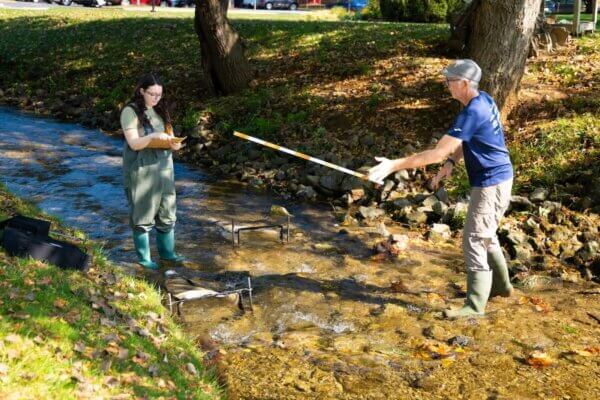
Shenandoah University Researchers And Virginia Ecologist Wrap Up Study Of Abrams Creek Wetlands
Specimens From Study To Be Presented To George Mason University
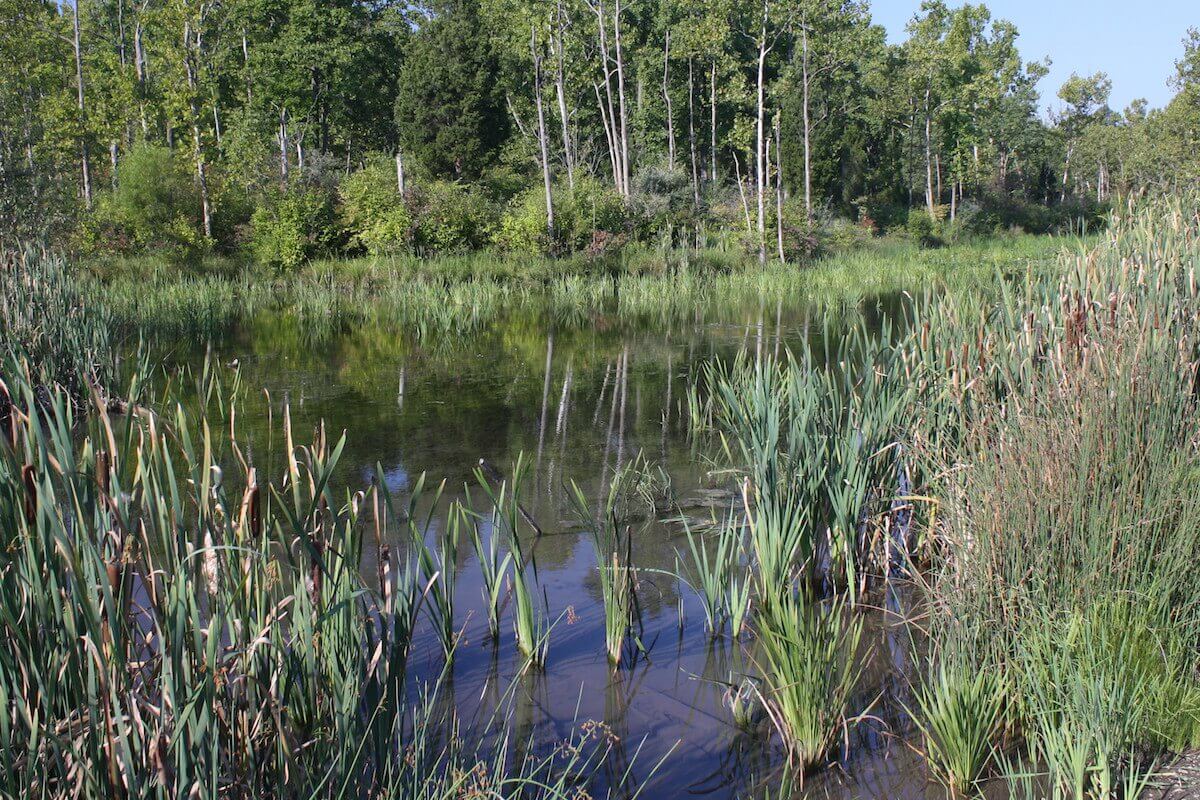
Frederick County and Winchester share a natural treasure, the Abrams Creek Wetlands, that is ecologically significant on a statewide basis, according to two scientists who have studied the site since the 1990s.
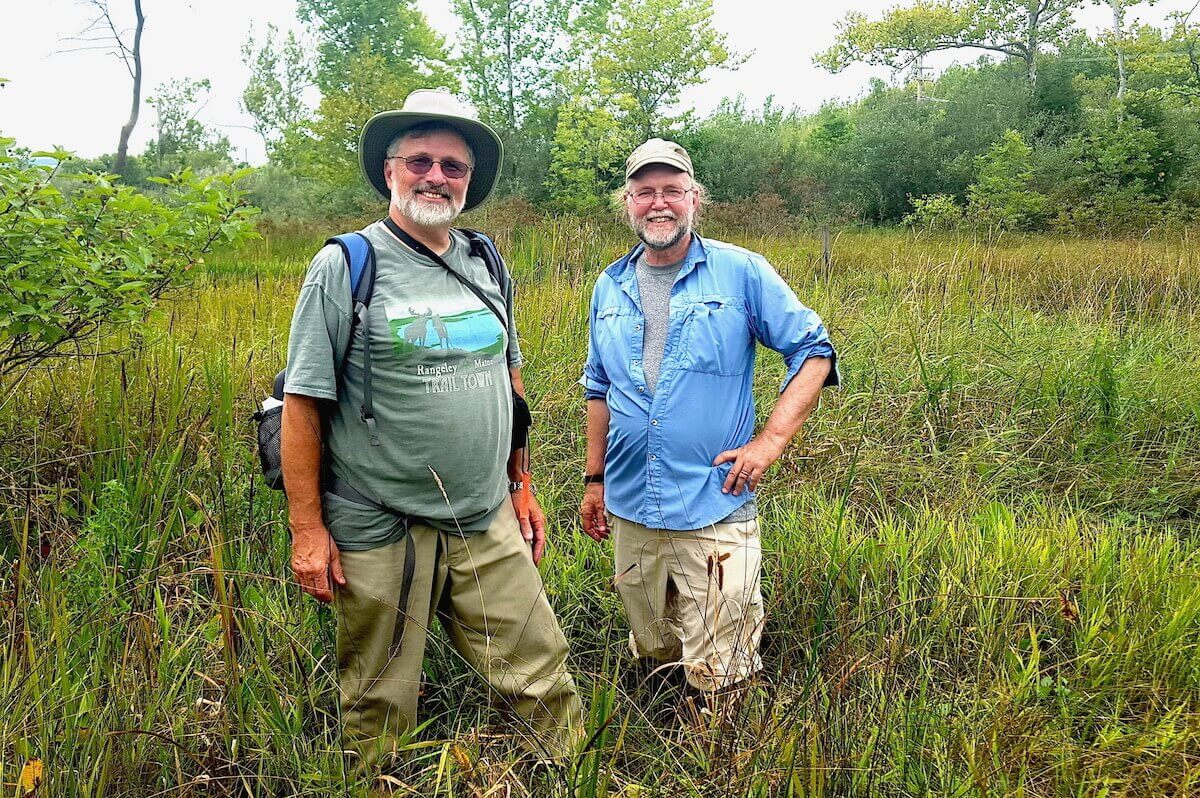
For the past two decades, Shenandoah University Professor of Environmental Studies and Biology at Woodward Bousquet, Ph.D., and Virginia Natural Heritage Program Vegetation Ecologist Gary Fleming have collaborated with Shenandoah undergraduates to collect data about the wetlands and report results. Most of the students’ work was part of their courses in the university’s environmental studies program.
On Friday, July 7, some of the fruits of that study – more than 300 pressed and mounted plant specimens – will be presented to George Mason University (GMU) to be archived in the Ted R. Bradley Herbarium for future researchers. A scientific paper summarizing the investigation will be published in Castanea: Journal of the Southern Appalachian Botanical Society.
Straddling the Winchester-Frederick County border between Meadow Branch Avenue and Cedar Creek Grade, the Abrams Creek Wetlands consist of marshes and swamps that cover about 60 acres. “These wetlands were probably at least 50 percent larger before Europeans’ arrival,” said Dr. Bousquet, “but agriculture, residential developments and highway construction have shrunk them.”
The researchers’ investigations revealed that 20 plant species and two habitat types in the wetlands are listed as rare in Virginia. According to Bousquet and Fleming, no other limestone-based wetland in the state has as many rare plant species as the Abrams Creek Wetlands.
The two rare habitats are classified as calcareous wet prairies and calcareous muck fens. The term calcareous pertains to the limestone bedrock, while muck fens are less acidic than most wetlands and higher in soil nutrients.
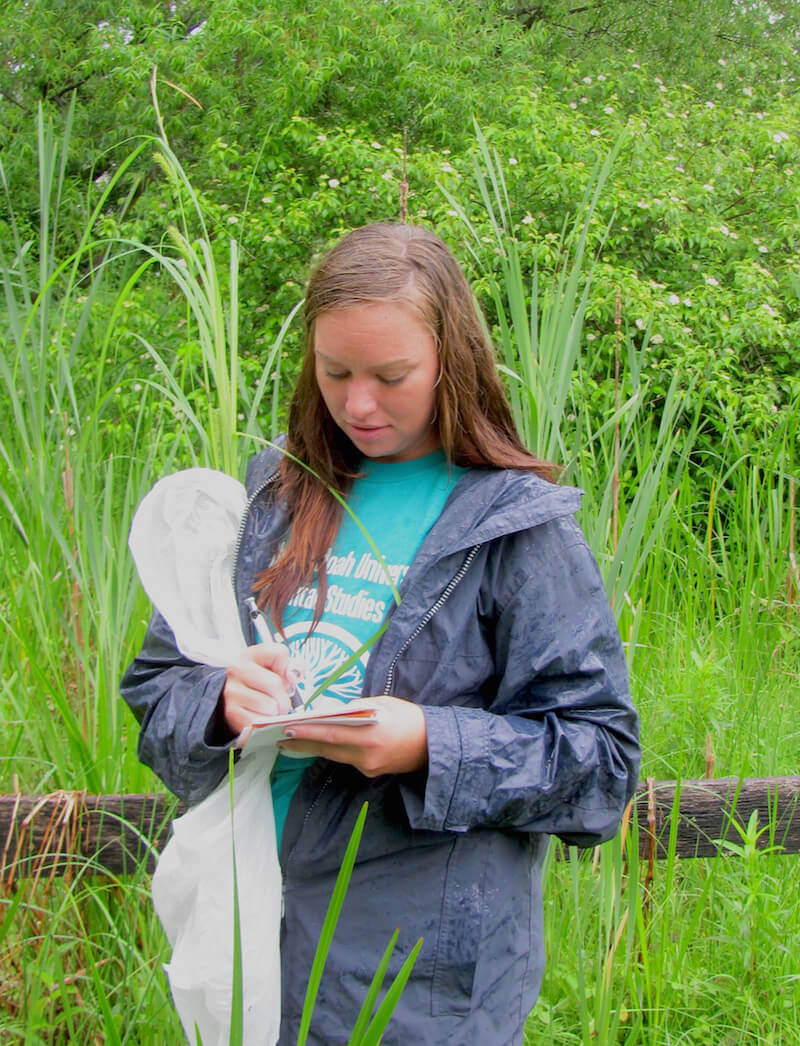
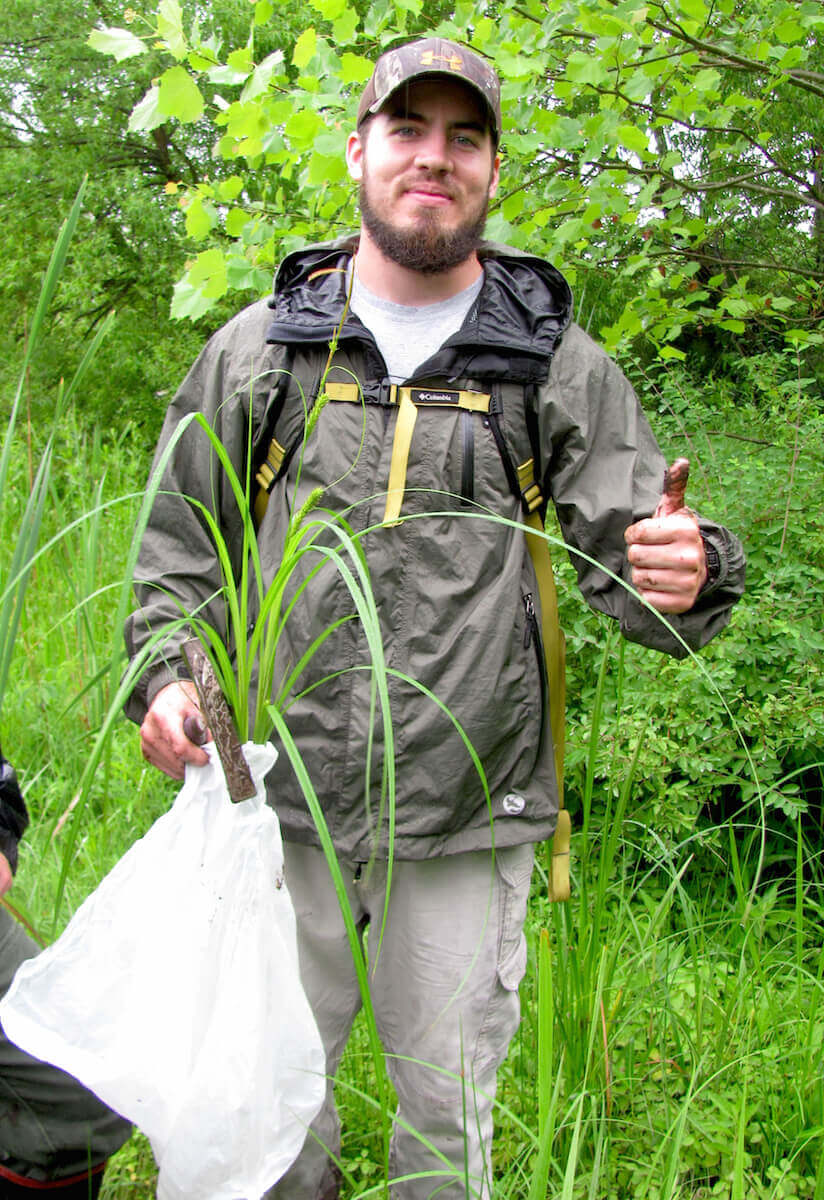
Assisted by Shenandoah University undergraduates, including Daniel Cooper ’13 and Ashley Landes ’14, Fleming and Bousquet surveyed each section of the wetlands monthly for three years to describe the property’s habitats and plant species. The study revealed a total of 304 plant species.
To validate the findings, the research team collected two samples of each species, pressed and dried them, and then mounted the plants on acid-free paper and added a scientific label. One set of specimens will remain at Shenandoah University, while the other set will be stored at GMU; Cooper and Landes will accompany Bousquet to present the specimens.
About half of the wetlands are included in the Abrams Creek Wetlands Preserve, which became the City of Winchester’s first formally protected natural area when it was dedicated in 2003. While no formal protection exists for the portion of the wetlands in Frederick County, developers of Willow Run have proffered a 50-foot buffer zone that will decrease the impact of residential construction and its associated roads.
“Even though Winchester has protected part of the wetlands, the property must still be managed correctly,” noted Bousquet. A management plan approved by the Winchester Park Advisory Board in 2007 is in the process of being implemented.
“Without removing the encroaching trees,” said Bousquet, “many of the rare species will disappear and the significant habitats will be degraded.” Bousquet hopes that citizens, developers, and officials of both Winchester City and Frederick County will collaborate to help assure that the Abrams Creek Wetlands are protected. “Now that we know what’s here, and how significant it is, we need to care for it properly.”