Nurses Ready to Respond to Every Emergency
SU-trained alumni serve at the forefront of nursing practice in tough times
In today’s pandemic crisis, nurses are serving on the front lines of interprofessional healthcare teams while also continuing to meet the ongoing, multifaceted health care needs of communities across the nation and around the world.
That’s why one innovative 3-credit course offered in Shenandoah University’s Eleanor Wade Custer School of Nursing, Emergency Preparedness and Disaster Nursing, is so relevant in preparing students in their final year of their Bachelor of Science in Nursing (BSN) program for times like these.
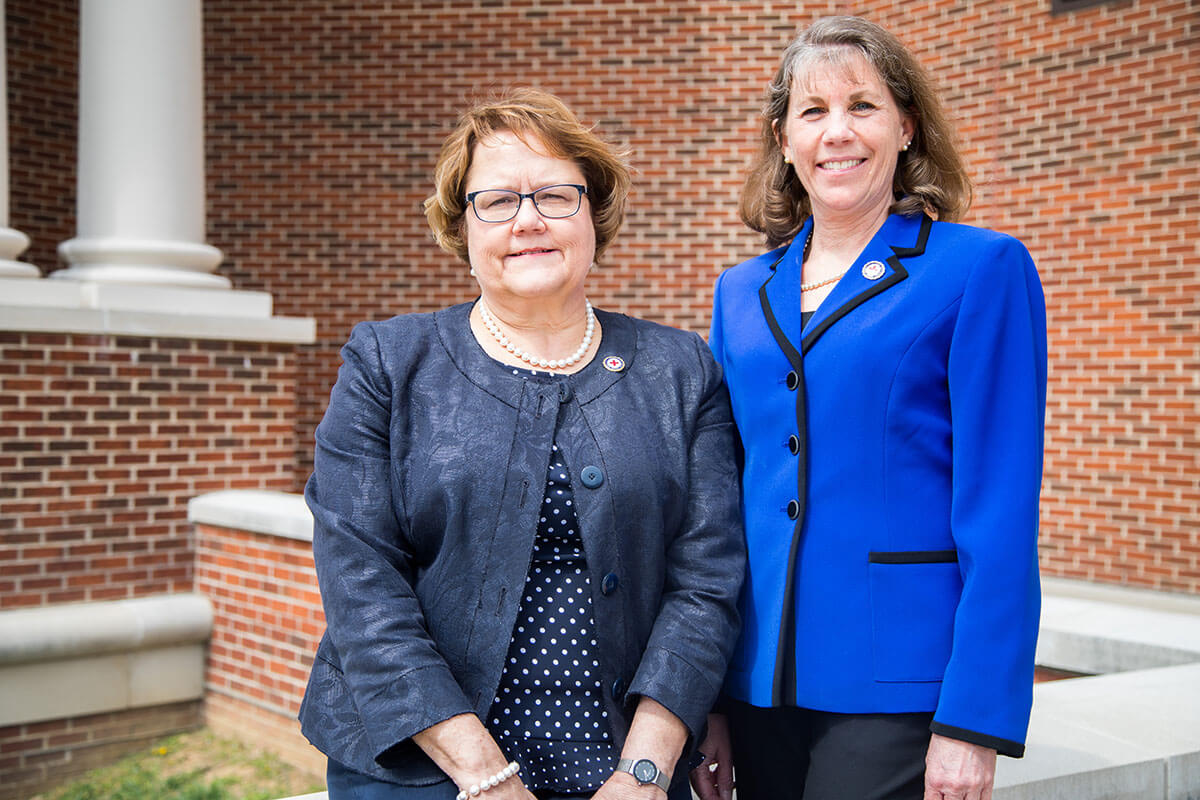
“Nurses comprise the largest component of the healthcare workforce, and they serve a pivotal role in a global society with increasingly more incidents, pandemics and disasters,” said Assistant Professor of Nursing and Director of the Scholar Plaza, Loudoun, Accelerated Second Degree Nursing Program Kathleen Eid-Heberle, MSN, RN, who, oversees the course, along with Associate Dean for Student Affairs and Professor of Nursing Janice Smith, Ph.D, RN. Both professors received a Red Cross Disaster Heroes award (2019) for their work in integrating disaster preparedness into the SU nursing curriculum and a SREB Pacesetter award (2018) for developing this course.
Dr. Eid-Heberle’s clinical experience makes her uniquely qualified to educate nurses in the area of disaster training. As a seasoned emergency department nurse for 20 years with a background in public health, she did doctoral research in the area of health care disaster and has served as an American Red Cross disaster nurse for 31 years. Dr. Smith also spent most of her practice experience in nursing as an emergency department nurse (33 years) while concurrently teaching for a number of years for SU. Smith has been active for 14 years with the American Red Cross.
Shenandoah University has educated approximately 1,700 student nurses in emergency preparedness and disaster nursing. It’s important, because if they’re not prepared and don’t have the basic foundational knowledge of disaster nursing, leadership and response within the healthcare system, they will not be at their best when a real crisis occurs.”
Kathleen Eid-Heberle, MSN, RN
Students learn course content about disaster triage, sheltering, managing vulnerable populations and decontamination as well as how to respond to a variety of incidents – natural, environmental, mass casualty, public health emergencies, terrorism and bioterrorism.
They also learn about a number of resources that are available to guide them such as the Centers for Disease and Control and Prevention, Federal Emergency Management Agency (FEMA), World Health Organization, state departments of health, the American Red Cross, VA Medical Reserve Corps and as well as many other organizations.
Students must complete three FEMA online modules, where they learn to serve as integral players with the overall emergency response team, take three modules of Red Cross training, and participate in tabletop exercises to become familiar with how to serve in a Red Cross disaster shelter. They also participate in interprofessional education disaster simulations with other health professional students to gain the experience of being part of a larger interprofessional healthcare team, and receive system-specific disaster training with clinical healthcare partners and health systems across the region.
When SU student nurses graduate, they transition into nursing practice with the basic understanding and knowledge to effectively and safely respond to a wide variety of disasters.
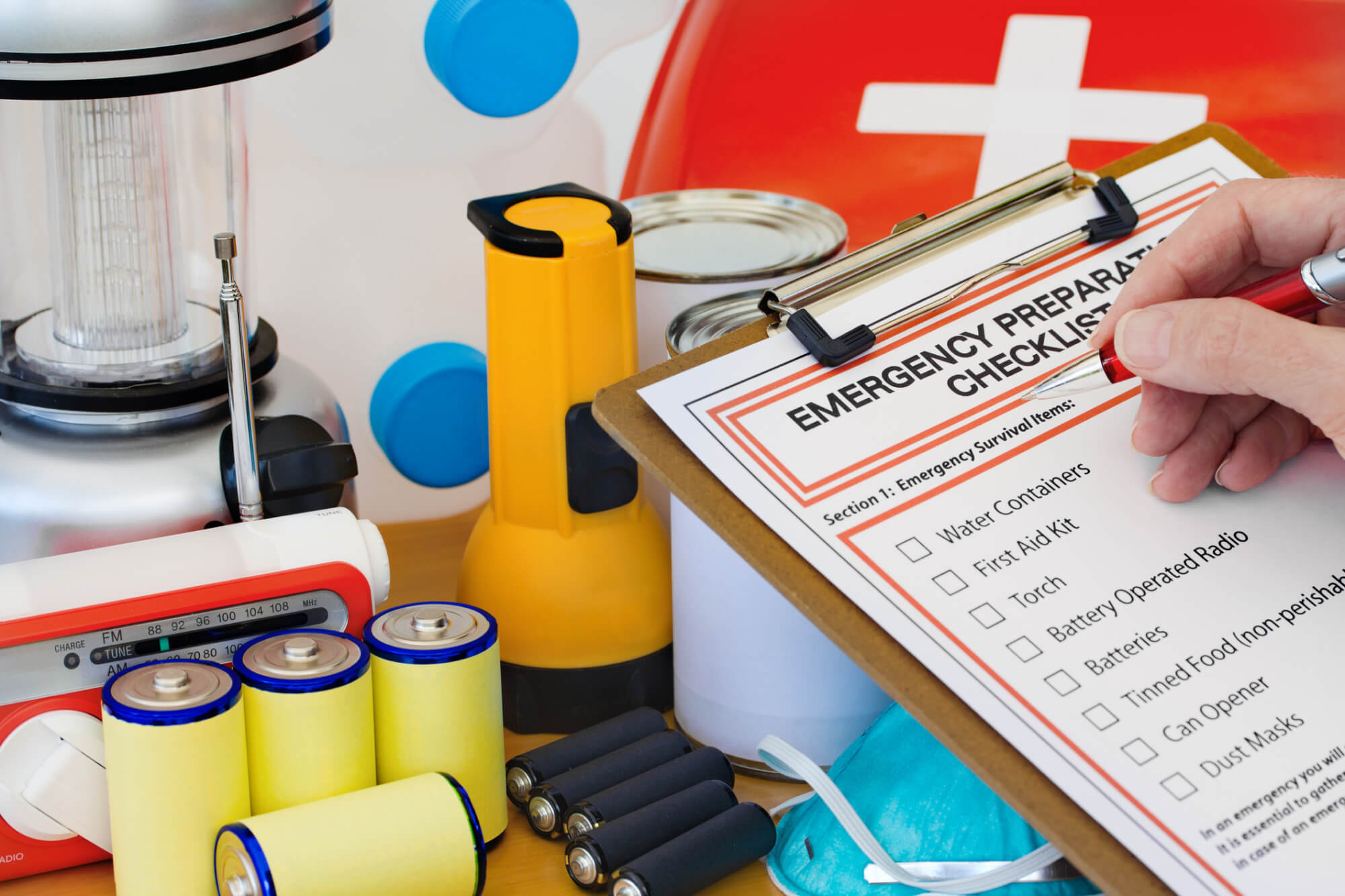
One of the most critical things we teach our nursing students is to prepare a personal preparedness plan and kit for themselves and their families, so they have the resources they need in an emergency situation. Some items on the list might include water, emergency supplies, clothing, bedding, food, a written phone and medication list as well as medications for at least three days. They also anticipate responsibilities and plan for child and/or elder care. This all gets sorted out in the plan and is reviewed with family members well in advance of an actual incident. There are times in disasters when nurses are retained and housed on-site in their health care facilities during disaster events.”
Kathleen Eid-Heberle, MSN, RN
“The students must learn to assess the vulnerabilities and hazards in their immediate area,” she said. “Once they’ve written the plan and reviewed it with their families, it often gives them the confidence they need to redirect and focus on what they need to do when they go to work.”
5 Ways to Prepare for an Emergency
- Build a Kit. Put aside water for three days, nonperishable food, pet food, first aid kit, prescription medications, tools, whistle, paper copies of important documents (i.e., passports, IDs, cash, insurance documents and important health records) and cash. You can store these items in a waterproof “to go” bag.
- Make a Plan. This would include a contact list of family members, health care providers, insurance, and other important relationships; how to receive alerts; steps for sheltering in place; identify alternate relocation sites; and plan for child, elder, and/or pet/animal care.
- Stay Informed. Know the type of disasters that might likely occur in your area and become familiar with evacuation routes.
- Practice the Plan. Once you have all the information gathered, practice the plan so everyone knows what to do.
- Maintain a Current Plan and Kit. Check your kit on a regular basis and replace outdated food, batteries, water and update what you may need in the future.
Source for emergency kit: American Red Cross