Shenandoah’s ‘Zero Hunger’ Team Has Eye-Opening Experience in Jordan
SU group visited Yarmouk University as part of a service project collaboration addressing food insecurity
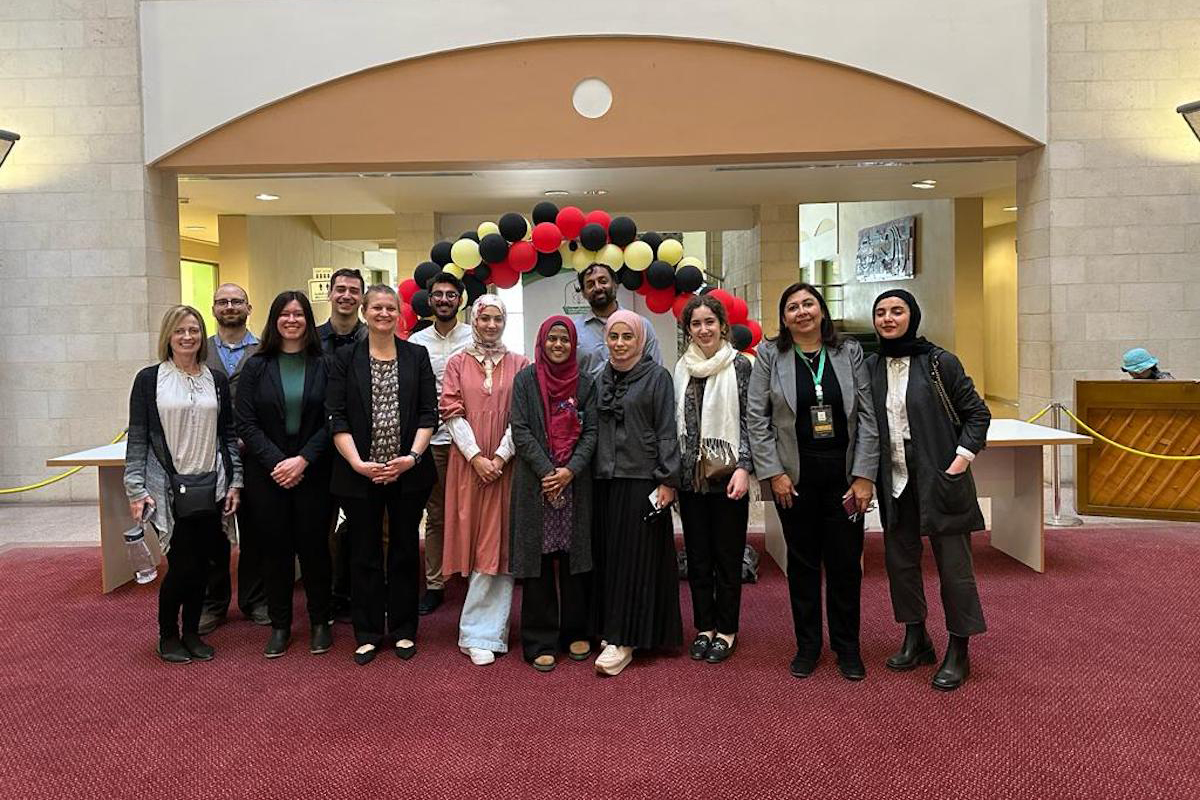
A group of Shenandoah University students, faculty and staff spent over a week in the Middle East meeting with their peers from Yarmouk University in Jordan, as part of a collaborative “Zero Hunger” service project that aims to address the issue of food insecurity in their respective communities.
The eight-person group from SU arrived in Jordan on March 10 to work in-person with their partners from Yarmouk for the first time since starting the service project, which is being conducted through Shenandoah University’s Barzinji Institute for Global Virtual Learning and focuses on one of the United Nations’ Sustainable Development Goals.
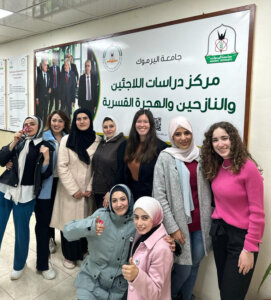 Shenandoah’s Zero Hunger team includes Younus Mirza, Ph.D., director of the Barzinji Institute; Scott McClure, Ph.D., assistant professor of public health; Rebecca Gibson, director of civic engagement; Marguerite Landenburger, director of grants and research support; Hanaa Unus, chaplain and Muslim community coordinator; Kyle Hooven, academic integrity assistant; and students Josh Brooks ’25, Faith Jones ’25 and Josephine Saikali ’23.
As part of the Zero Hunger project, teams from both universities began conducting surveys at localized sites that provide assistance to those who struggle with food insecurity in October 2022.
Shenandoah University’s team has been surveying individuals who visit Winchester-area food pantries supplied by the Blue Ridge Area Food Bank (BRAFB) to determine if those clients’ nutritional needs are being met. The Zero Hunger team at Yarmouk is conducting similar research at refugee camps in Jordan.
The future of this project is really exciting. Beyond fueling fresh research avenues at SU and Yarmouk, it is sparking dynamic collaboration between food insecurity experts in the broader Winchester and Irbid communities. This is the real power of international collaboration, every step forward creates dozens of opportunities.”
Scott McClure, Ph.D., Shenandoah University assistant of public health
After data collection is complete, both teams will publish their research and use their findings to promote necessary changes. Shenandoah’s team hopes to provide BRAFB with a useful report that the agency can use to better address the needs of its clients.
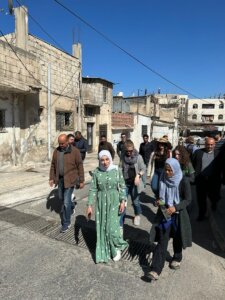 Since the Shenandoah and Yarmouk teams have spent a majority of the Zero Hunger project focusing on their own localized research, representatives from both teams were thankful for the chance to take in-person visits to their partner institutions in March. Shenandoah University welcomed Dr. Reem Adnan Al-Kharouf, who leads the Yarmouk team, for a weeklong visit in March shortly before the SU Zero Hunger team departed for Jordan.
“I was happy that our Zero Hunger team was able to meet in-person with our Jordanian partners, especially after corresponding with them virtually after several weeks,” Dr. Mirza said. “The in-person visit helped strengthen the partnership and research project that will be presented at the Barzinji Institute Global Virtual Learning Conference on Oct. 2-3.”
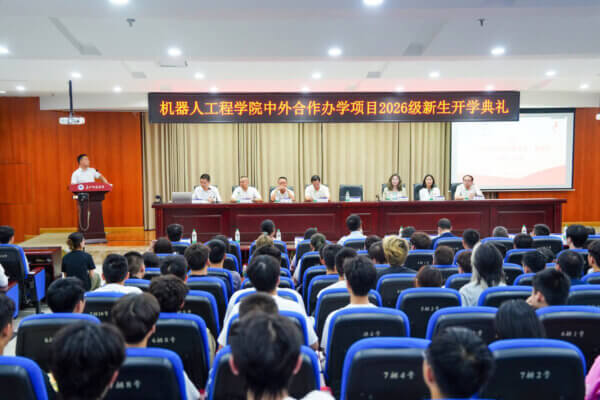
During the SU team’s trip to Jordan, students, faculty and staff members from both universities shared their findings and experiences with the Zero Hunger service project. The time spent on-site in Jordan bolstered the Shenandoah team’s partnership with their peers and created a deeper understanding of the experiences of their Yarmouk partners.
The team members from Shenandoah and Yarmouk seemed to connect immediately. Sharing a common concern for the less fortunate members of our local communities made us eager to collaborate and learn from each other’s experiences. The hospitality shown to us by our Jordanian counterparts was extraordinary and exemplified their welcoming attitude toward guests, including – and especially – the refugees their program serves.”
Rebecca Gibson, SU director of civic engagement
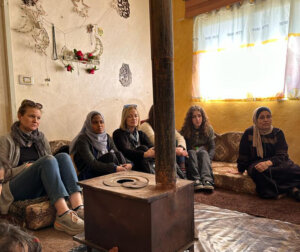 Shenandoah team members had a particularly eye-opening experience when they were invited into the home of an individual who lives in one of the impoverished areas of the city of Irbid. Gibson, who is serving as student coordinator for the Zero Hunger project, said the in-home visit was “stunning to all of us.”
“That really made the experience feel more real and highlighted the importance of the research that we’re doing,” Hooven said. “It’s easy when you’re working with numbers to just see the number. Actually getting to experience the issue of food insecurity on the ground level made our work feel much more meaningful.”
Team members from both institutions – particularly the students involved – have been so significantly impacted by their interactions with people battling food insecurity that a new element has been added to the project – the volunteers themselves will take a survey that figures to highlight the value of experiential learning.
Saikali, whose parents are Lebanese immigrants, praised the experience working on the Zero Hunger project and the SU team’s trip to Jordan.
This was undoubtedly the most meaningful experience I’ve had at Shenandoah University. Being able to connect with our partners at Yarmouk University, and even more importantly, being able to speak with some of those experiencing food insecurity in Jordan, made this project feel less abstract and more impactful. Personally, being able to use my background in Arabic to form connections with people was surreal. I’m grateful for this developing partnership with Yarmouk. I left Jordan feeling so empowered and inspired, and the experience has definitely shifted my future goals to include them taking place in the Middle East. Learning and working within the region I come from was definitely a full-circle moment.”
Josephine Saikali, Shenandoah University student