Shenandoah University Secures GO Virginia Grant To Plan Commercial Kitchen
Facility will support small-scale food and beverage producers in the Northern Shenandoah Valley
Shenandoah University has been awarded a $100,000 Growth and Opportunity for Virginia (GO Virginia) grant to begin planning a commercial kitchen and culinary hub to support entrepreneurship and growth in the Northern Shenandoah Valley’s food and beverage industry.
The project, led by Shenandoah University Director of Nutrition and Dietetics Tammy Wagner, Ph.D., and developed in collaboration with area localities, will provide vital infrastructure and business support, lowering the barrier to entry for small-scale food and beverage entrepreneurs through a shared-use, licensed kitchen facility. This will enable small producers to scale their operations beyond direct-to-consumer sales and create jobs to strengthen and diversify the regional economy.
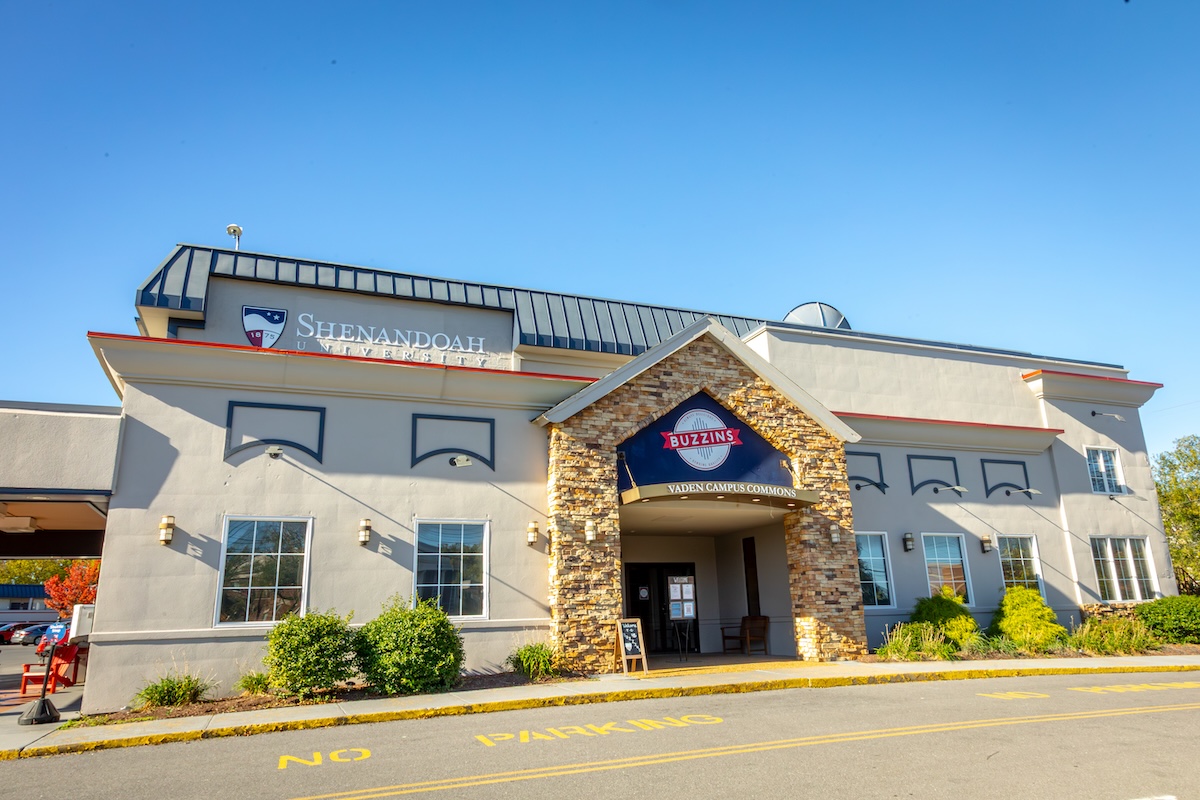
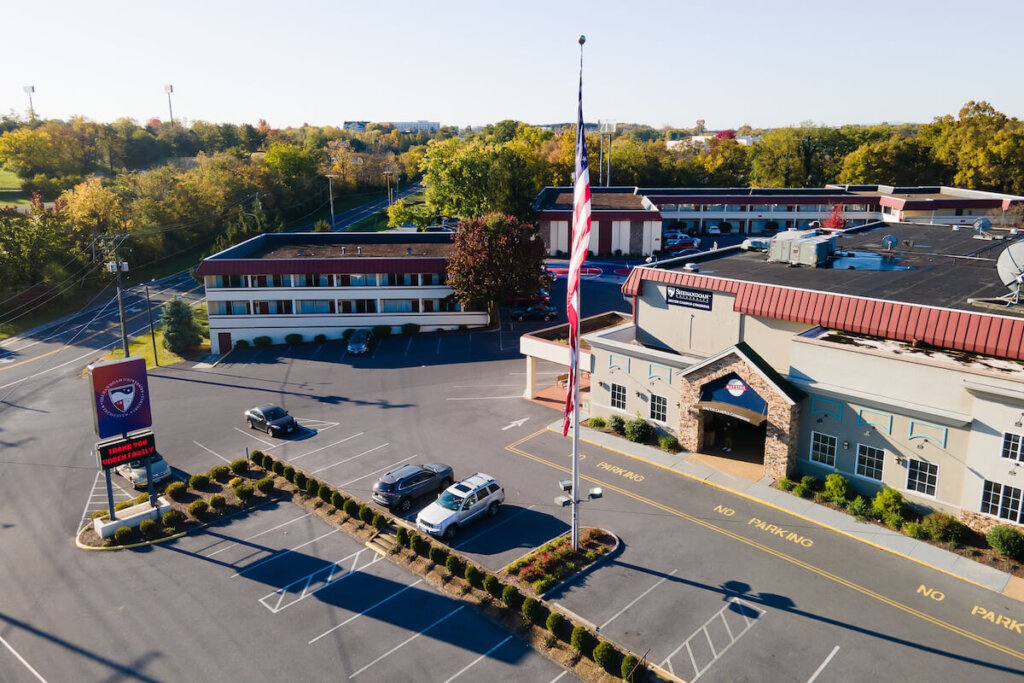
The facility will be established in Shenandoah University’s “Buzzins” dining location – the site of a former restaurant – in Vaden Campus Commons, and will also provide hands-on educational opportunities for Shenandoah’s students.
Shenandoah University’s commercial kitchen and culinary hub will address the “missing middle” in the Northern Shenandoah Valley’s food system. While the region boasts leading large-scale agricultural production, a rapidly growing number of small-scale farmers and food entrepreneurs lack access to licensed, commercial-grade facilities and can’t afford to build their own kitchens.
A feasibility study related to the project, which engaged 37 industry professionals and surveyed 141 stakeholders – including local farmers, restaurants, distributors and business owners – highlighted a critical need for a facility that addresses challenges like fair pricing, consistent volume and distribution logistics. Notably, 94% of farmers expressed interest in collaborating with a new food hub, and nearly 50% of food businesses want to use a commercial kitchen.
Shenandoah’s planned commercial kitchen and culinary hub will be enhanced by the university’s Hub for Innovators, Veterans and Entrepreneurs (HIVE), which will provide essential services such as programming, mentoring and networking opportunities to help ensure the success, growth and sustainability of small farms and businesses and alleviate the pressures of marketing, sales, distribution and regulatory compliance.
“This facility will provide a great space for collaborative and networking activities among local farmers, small businesses and the Shenandoah University community,” Dr. Wagner said. “The use of the HIVE will be a valuable resource that will support the planning team as the project launches in June.”
In addition to engaging local businesses and support organizations, Shenandoah University will work with a consultant over the 12-month planning period, culminating in a detailed, data-driven strategic business plan and HIVE curricular plan to outline future steps in the facility’s launch.
An advisory council composed of individuals from the Winchester Economic Development Authority (EDA), Frederick County EDA, Shenandoah County Tourism and Economic Development, Warren County Administrator’s Office, the Shenandoah Community Capital Fund, Aramark (Shenandoah University’s dining services partner) and two area businesses – Sexi-Mexi in Winchester and Flour to Fork in Woodstock, Virginia – will facilitate input from stakeholders, ensure cohesion across the Northern Shenandoah Valley, and help avoid duplicating the efforts of similar initiatives in other parts of the region.
The $100,000 planning grant awarded to Shenandoah University was part of over $15.3 million in GO Virginia funding that Gov. Abigail Spanberger announced in April. Collectively, the GO Virginia grants will fund initiatives that will train over 6,000 Virginians and create more than 600 new jobs, according to a press release from the governor’s office.