Shenandoah University’s McCormick Civil War Institute Unveils New Guided Walking Tour
Tour Highlights the Stories of Enslaved People and Freedom Seekers at Cool Spring Battlefield
By Jace Gibson ’26
Shenandoah University’s McCormick Civil War Institute has unveiled a new walking tour telling the stories of enslaved people at the Retreat, a 1,120-acre plantation that included what is now the Shenandoah River Campus at Cool Spring Battlefield.
Jonathan Noyalas ’01, M.A., the Hugh & Virginia McCormick Chair in Civil War History at Shenandoah University and director of the McCormick Civil War Institute, with the assistance of Shenandoah students and a $1,400 grant from the Community Foundation of the Northern Shenandoah Valley’s Boxley-Fox Endowment Fund, conducted research over the past five years that uncovered powerful stories of enslaved people who lived and labored at the Retreat in the decades before the Civil War.
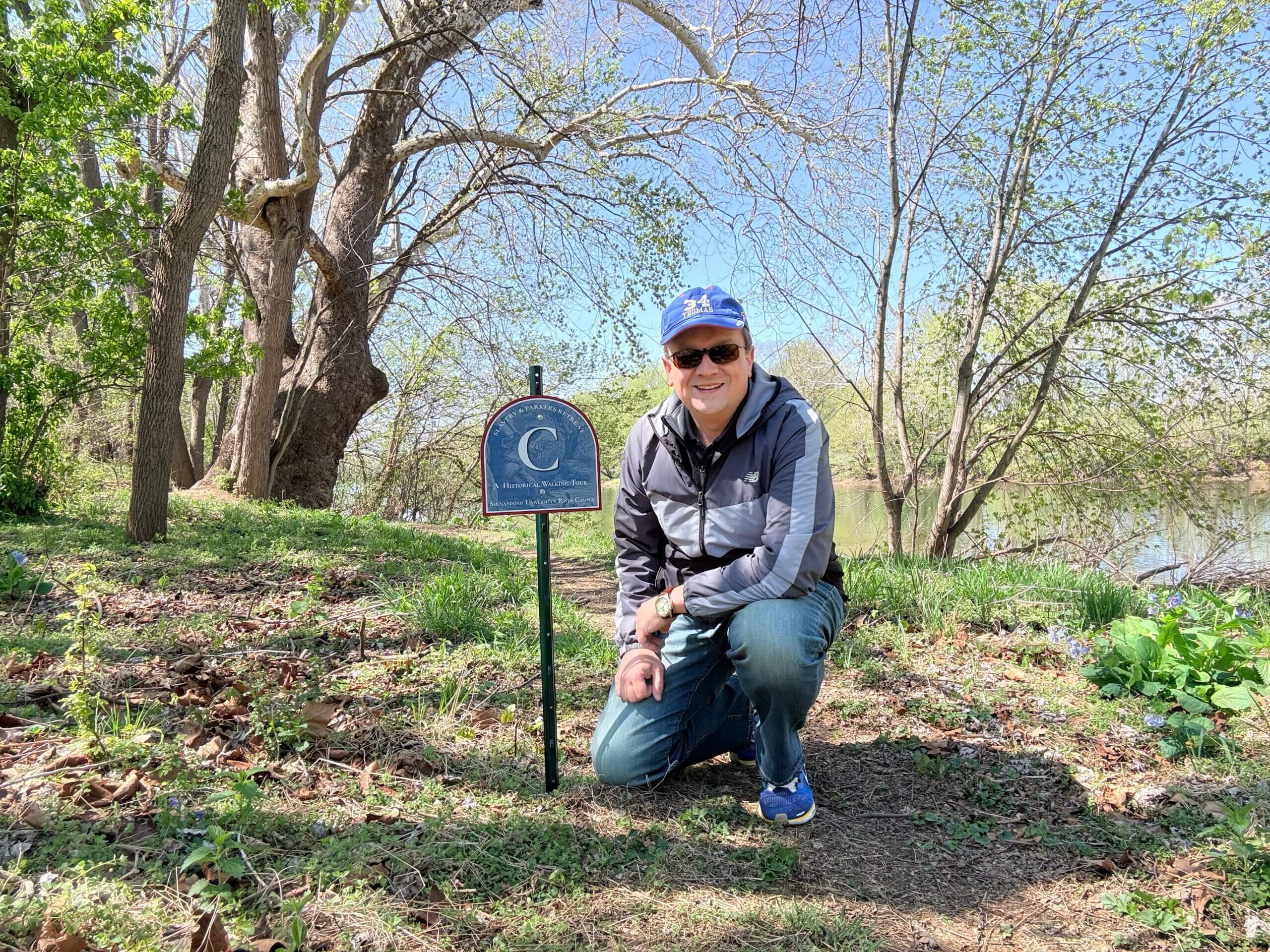
Additionally, the research revealed stories of freedom seekers who came to the property on their northward journey to freedom, as well as the site’s connections to the Underground Railroad. Visitors to Shenandoah University’s River Campus at Cool Spring Battlefield can now learn about these powerful and important stories through a self-guided walking tour.
When Shenandoah University’s McCormick Civil War Institute embarked on this project five years ago, I could have never imagined the stories that we would uncover, particularly the stories of enslaved people who sought their freedom. I believe that this is a powerful tour, one that will not only inform, but offer visitors much to think about, particularly the tenuous nature of freedom – that most cherished of American ideals.”
Jonathan A. Noyalas, director of the McCormick Civil War Institute
The five-stop walking tour, which covers nearly 1.5 miles, explores topics from the lives and reactions of enslaved people at the Retreat to John Brown’s raid in 1859, as well as stories of individuals such as Presley Dunwood, who was born enslaved in Clarke County in 1838 and later became a carriage driver for Judge Richard Parker, who presided over Brown’s trial and was the plantation’s owner during the Civil War era.
Additionally, the tour covers the story of six freedom seekers from Clarke County who tragically drowned in 1854 in Parker’s Hole, a deep abyss among the waters of the Shenandoah River, and what their tragic story reveals about the site’s connections to the Underground Railroad. Finally, the tour explores how history and science bolster an oral tradition about a large hollow sycamore tree on the property, used by freedom seekers as a hiding place as they made their way north toward Harpers Ferry, a significant stop along the Underground Railroad.
For more information on the McCormick Civil War Institute, visit su.edu/mcwi.