Shenandoah University Piloting New Lifelong Learning Program
As SAGE Scholars, older adults will be able to attend college classes alongside Shenandoah students
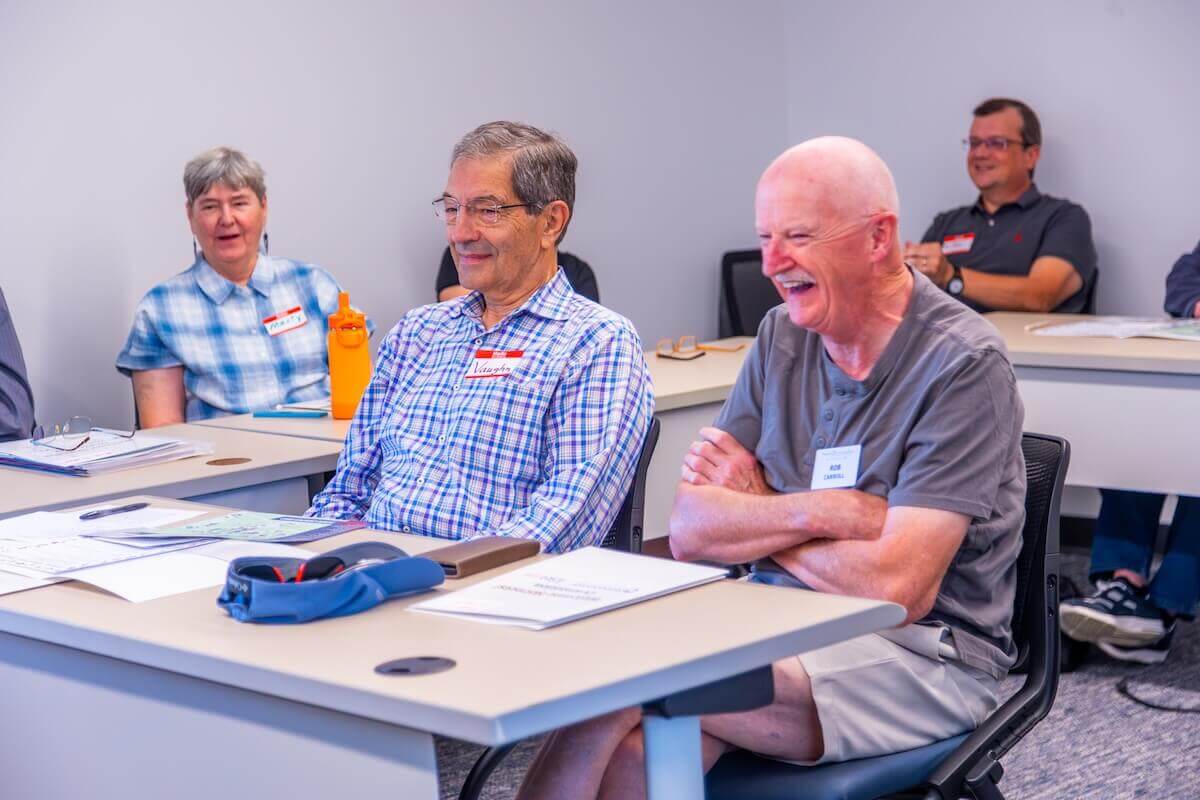
Shenandoah University is piloting a new lifelong learning program that will allow older adults to participate in select college courses alongside undergraduate students without the stress of homework and exams.
Created by Professor of Psychology Scott King, Ph.D., and Shenandoah University Registrar Emily Hollins, Shenandoah Adult Growth and Enrichment (SAGE) is designed for adults 60 and older who want to stay intellectually active alongside traditional-age students.
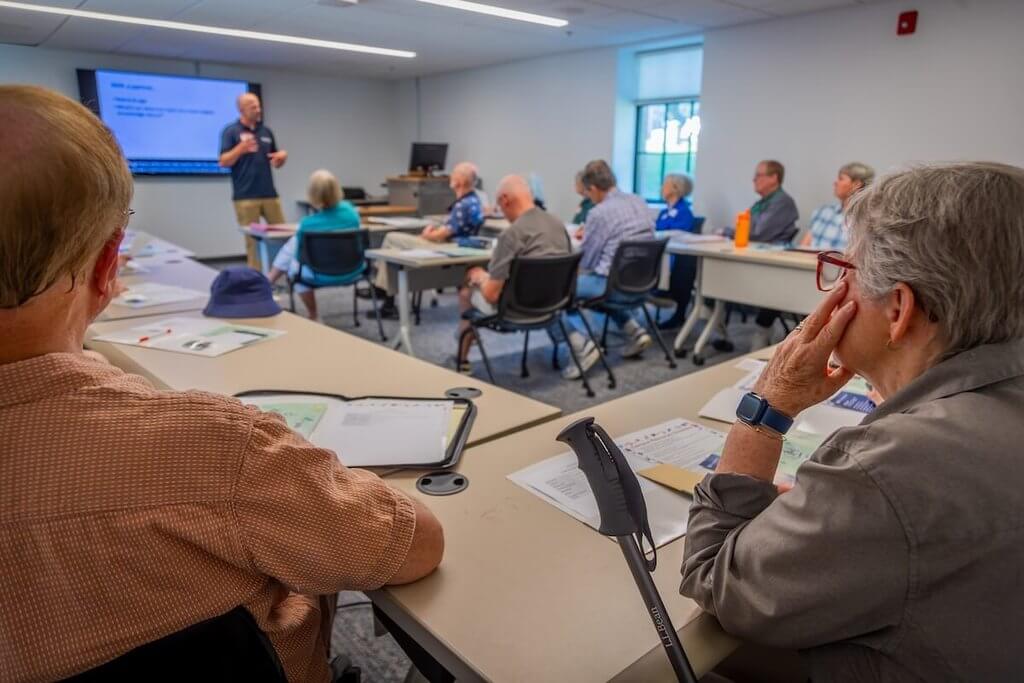
SAGE Scholars – as those participating in the program are called – will be able to attend class, participate in lectures and classroom discussions, and interact and collaborate with Shenandoah students, though they won’t be required to complete class assignments or take tests. SAGE Scholars will not earn course credit for participating in the program.
Shenandoah will pilot SAGE this fall with a limited number of participants, with plans to open the program to the general public at a later date.
King, 48, who serves on the board of directors for Seniors First, The Shenandoah Area Agency on Aging and has partnered his Adult Development psychology course with the Winchester Senior Center for 15 years, has seen many friendships develop between his students and older adults over the years and has built similar friendships of his own. Hollins, another proud Gen Xer, counts numerous older adults among her close personal friends, and she has even traveled to Uzbekistan and Thailand with a friend who is in her 70s. King and Hollins hope SAGE will promote similar intergenerational connections more broadly across Shenandoah University and the local community.
Part of Shenandoah’s mission is to educate and inspire individuals to be lifelong learners, not just when they’re in their 20s. SU has always been open to nontraditional students, but with a program like SAGE, we hope to reach out to older adults who want to continue learning for learning’s sake, but without the bureaucracy of becoming official students and earning credit hours. More importantly, we want to give learners of all ages the chance to get to know folks outside their own age demographic, and reduce ageism across the board. Many universities offer lifelong learning programs, but typically those programs are siloed off from the traditional undergraduate experience. At Shenandoah University, that won’t be the case.”
Scott King, Ph.D., Shenandoah University Professor of Psychology
To prepare for SAGE’s pilot launch, King recruited fellow Shenandoah faculty members in the College of Arts and Sciences who teach courses in a variety of disciplines. Nearly all instructors that King approached gave an enthusiastic “yes,” he said, and those who declined only did so because they were worried about seating space.
This fall, SAGE Scholars who are part of the test group can choose to participate in 11 classes in history, art, psychology, and literature.
SAGE places little to no extra burden on Shenandoah’s instructors – SAGE Scholars will be placed in existing undergraduate courses, and no new classes or programs will be created with SAGE’s implementation. SAGE Scholars will not attend class every session but rather on select days designated as “SAGE friendly,” amounting to about three to six hours of class time per month.
Programs like SAGE reflect Shenandoah University’s longstanding commitment to lifelong learning and to creating a truly inclusive campus community. People never stop learning, and initiatives like this one demonstrate how higher education can enrich the lives of students and adult learners at every stage of their journey. We’re excited to welcome our community’s older adults into our classrooms so that they can meet and interact with our students and faculty and continue to stay intellectually active.”
Karen Abraham, Ph.D., Shenandoah University Provost
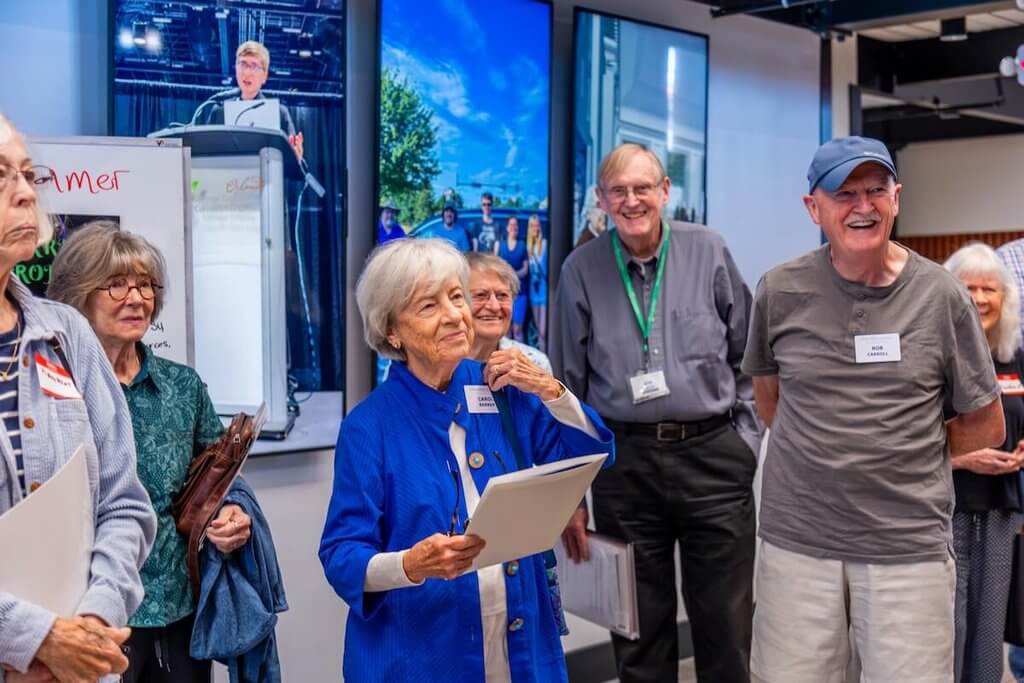
In 2026, Shenandoah University became the first private school in Virginia to be designated an Age-Friendly University. The AFU Global Network is a consortium of 140 higher-education institutions from all over the world who are committed to promoting healthy aging and enhancing the lives of older people through innovative academic programming, health and wellness activities, arts and culture programs, and civic engagement opportunities.
“The AFU designation is a formal way of recognizing what SU has been doing for years, and gives us a principled framework to build on going forward through new programs like SAGE Scholars,” King said.
For more information about the Shenandoah Adult Growth and Enrichment (SAGE) program and Shenandoah University’s designation as an Age-Friendly University, visit su.edu/academics/sage.