Shenandoah’s McCormick Civil War Institute Receives Grant From CFNSV’s Boxley-Fox Endowment Fund
Grant will support walking tour that will share stories of enslaved people at Cool Spring Battlefield
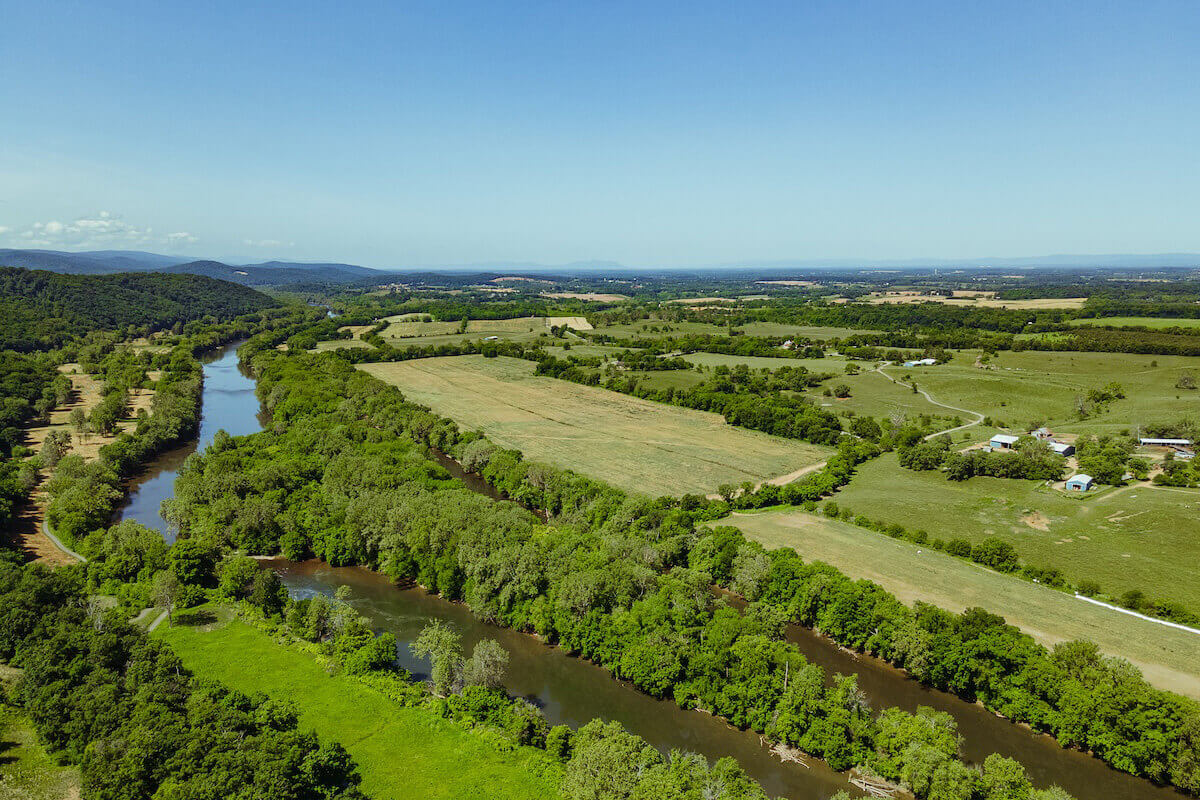
Shenandoah University’s McCormick Civil War Institute was recently awarded a $1,400 grant from the Community Foundation of the Northern Shenandoah Valley’s Boxley-Fox Endowment Fund to support a public history project that sheds new light on the experiences of enslaved people who lived in Clarke County, Virginia, in the years preceding the Civil War.

The project, titled “The Retreat and Slavery,” aims to uncover and share the stories of the enslaved people who lived and labored at the Retreat, a 1,120-acre plantation that included what is now the Shenandoah River Campus at Cool Spring Battlefield. Jonathan Noyalas ’01, M.A., the Hugh & Virginia McCormick Chair in Civil War History at Shenandoah University and director of the McCormick Civil War Institute, with the assistance of Shenandoah students, conducted research over the past five years that uncovered powerful stories of enslaved people at the Retreat in the decades before the Civil War. A self-guided walking tour, currently in development at Cool Spring Battlefield, will present those stories to the public.
The new walking tour at Cool Spring Battlefield, which is expected to be completed in late spring 2026, will explore topics such as the reactions of enslaved people at the Retreat to John Brown’s 1859 raid on Harpers Ferry, as well as the stories of individuals like Presley Dunwood, who was born enslaved in Clarke County in 1838 and later became a carriage driver for Judge Richard Parker, who presided over Brown’s trial and was the plantation’s owner during the Civil War era.
Additionally, the tour will explore the story of six freedom seekers from Clarke County who tragically drowned in 1854 in Parker’s Hole, a deep abyss among the waters of the Shenandoah River, and what their tragic story reveals about the site’s connections to the Underground Railroad. A massive, hollowed-out sycamore tree on the Cool Spring property that is nearly 500 years old was used as a hiding place for freedom seekers who used the Shenandoah River to get to Harpers Ferry.
Shenandoah University’s McCormick Civil War Institute is so thankful to have received this grant from the Community Foundation of the Northern Shenandoah Valley’s Boxley-Fox Endowment Fund. Over the past decade, we have been fortunate to receive several grants from the Boxley-Fox Endowment Fund to tell the rich and powerful history that the university’s River Campus at Cool Spring Battlefield has to offer. This grant means a great deal not only because it resurrects the long-forgotten stories of enslaved people, but also because it is a testament to the passion that Robert Boxley and his wife Genevieve had for the Shenandoah Valley’s history. I had the privilege of knowing both of them during their lifetime, and am so honored that their commitment to deepening the understanding of the complexities of the Shenandoah Valley’s history can live on through their generosity and the fund’s support of this important project.”
Jonathan Noyalas, Hugh & Virginia McCormick Chair in Civil War History at Shenandoah University and director of the McCormick Civil War Institute
Shenandoah University assumed stewardship of the Shenandoah River Campus at Cool Spring Battlefield, which lies just east of Berryville, Virginia, in 2013, when it entered a partnership with The Civil War Trust to permanently protect the 195-acre property. Shenandoah has since transformed the site, which formerly featured a golf course, into an outdoor classroom for its students and the general public. For more information about the Shenandoah River Campus at Cool Spring Battlefield, visit su.edu/cool-spring.