Shenandoah’s Bachelor of Science in Nursing: Traditional Four-Year Track is designed for students entering the program as a first-year student.
Shenandoah’s nursing program is special because it has direct admittance. Many schools do not admit students into their nursing programs until the junior year, but at Shenandoah you know you are in the nursing program on day one upon admittance to the university. That also means that you can start taking nursing classes earlier than programs elsewhere. Additionally, nursing students are assigned a nursing faculty advisor upon entry to the university. Technology in the nursing program is integrated throughout the curriculum, and all nursing students participate in Shenandoah’s all Apple® technology program.
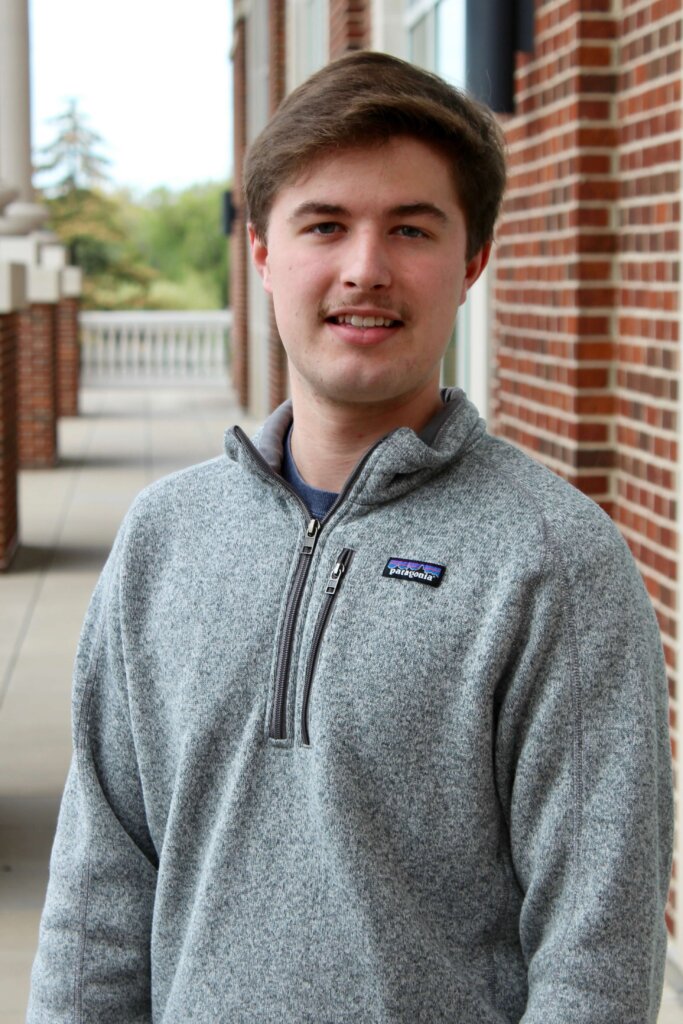
Nursing has allowed me to develop my critical thinking skills while also developing my compassion. The best part of nursing at Shenandoah is the smaller class sizes. The small class sizes allow you to not only connect with your classmates, but also connect with the professors. The professors want to see you succeed and improve.
Dylan Hill ’26 | Nursing major | Biology minor
Our program allows you to gain the experience necessary for the provision, management and coordination of general nursing care for individuals, families, groups and communities so you may launch a career that leads to personal and professional fulfillment.
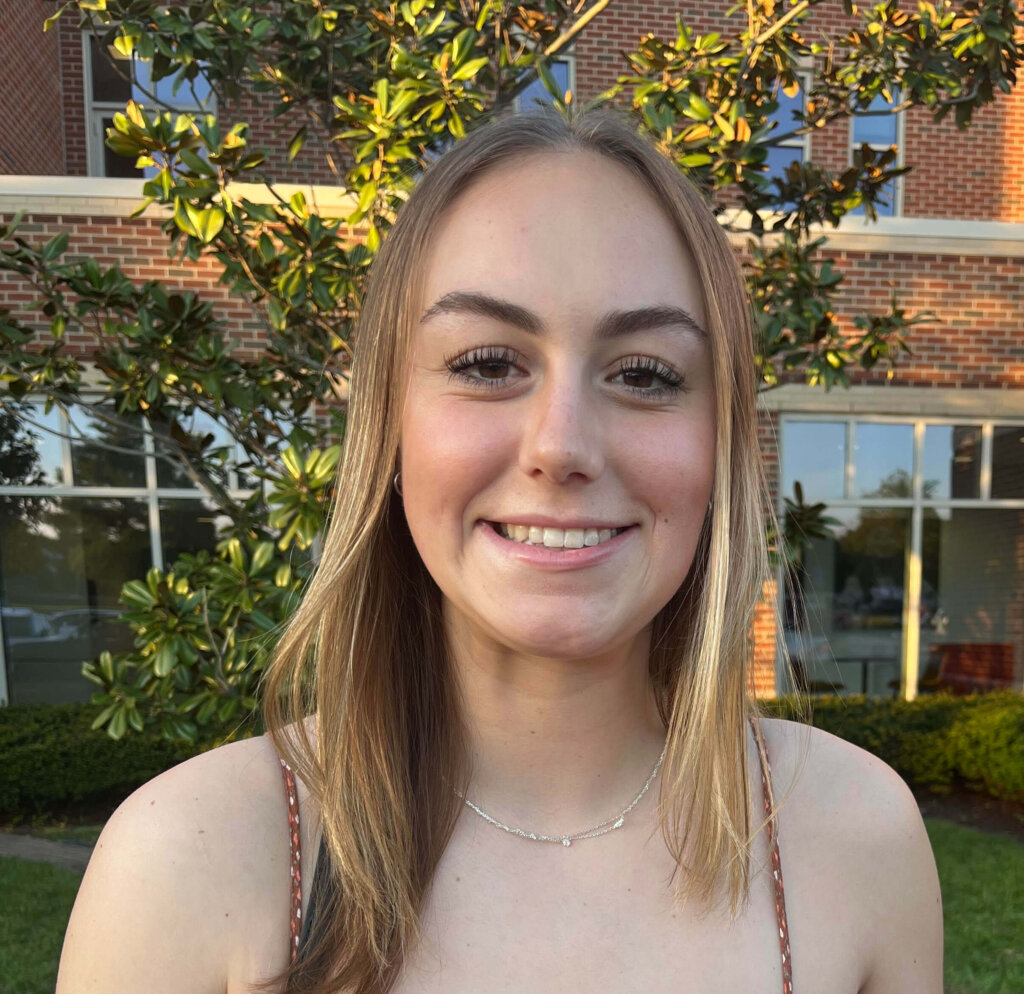
Nursing will grow you in ways you never expected. Stay committed to your purpose, lean on your classmates and remember why you started.
Charlie Jardinier ’26
Bachelor of Science in Nursing at SU
Support from faculty and classmates, hands-on experience at clinical sites and with top-notch simulation technology, small class sizes, and limitless opportunities – that’s what you’ll get as you study nursing at Shenandoah University. Shenandoah’s Eleanor Wade Custer School of Nursing teaches students how to work on health care teams and forge a career in an incredibly diverse and constantly changing field.
As a first-year student, you’ll find yourself launching head-first into a rigorous curriculum. With the support of an experienced nursing faculty adviser, you’ll receive academic and professional guidance throughout your four years in the program. Our state-of-the-art, specialized nursing labs create an environment that prepares you exceptionally well for what you will experience in your clinical rotations. You will also have direct access to a full range of student-life activities on and off campus. After you’ve completed your studies, you’ll sit for the National Council Licensure Examination (NCLEX), prepared with the skills and knowledge needed to apply for entry-level professional nurse positions.
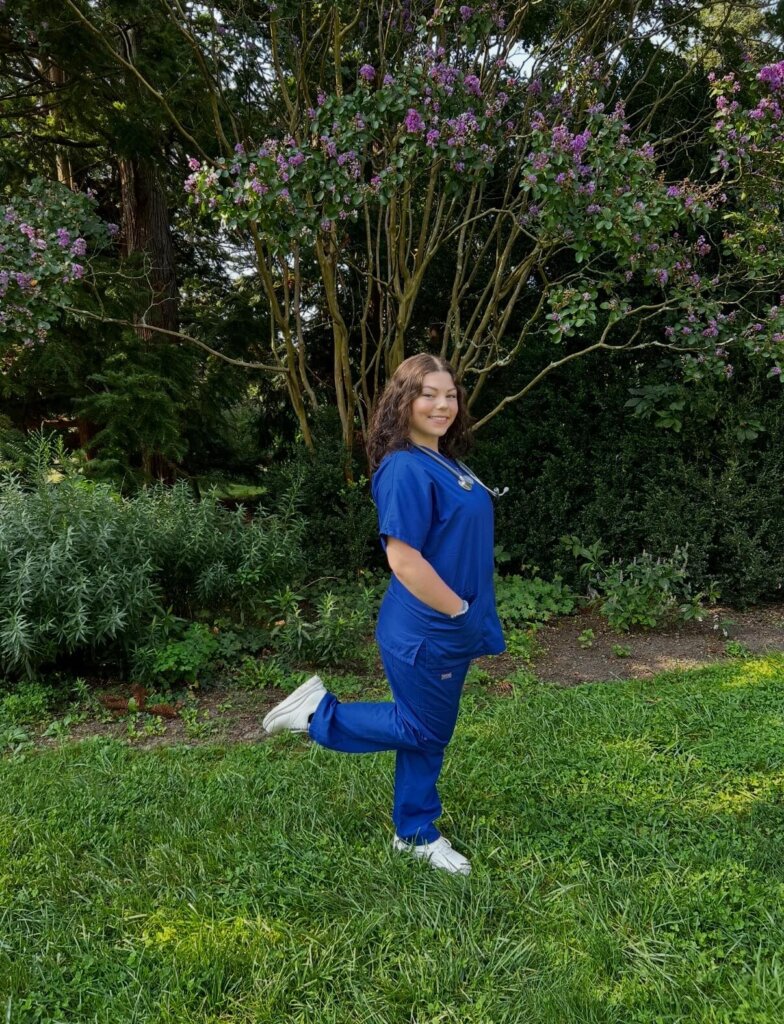
I think what I’ve learned most is that people can do hard things. Even when it seems like too much information, or a class is too hard, or I felt too tired to keep studying, nursing students have resilience. My best experiences in this major have always been because of my classmates, my professors, and my clinical faculty. If you are considering nursing, it’s important to understand that yes, it’s challenging. It tests you mentally and emotionally, but it is so worth it. Nursing is such a fulfilling career, and Shenandoah University’s program prepares you to be the best nurse you can be.
Zoe Smith ’26
At Shenandoah, our role is to help you prepare for success in this challenging and satisfying career. Shenandoah University enjoys a strong reputation locally, regionally and nationally. Our nursing graduates are recognized within the health care community as knowledgeable, capable and able to excel in the workplace. In addition, many return after graduation to pursue master’s degrees, post-master’s certificates and doctoral degrees.
Come study in our state-of-the-art, 71,000 square-foot Cecil Pruitt, Jr. Health & Life Sciences Building. The Pruitt HLSB offers premier academic classrooms and specialized nursing labs. Students practice and hone their skills in our specialized labs prior to starting clinical rotations, which enables them to learn the most from their clinical preceptors. It’s also where students, faculty, staff and community members come to meet and learn together in study rooms or faculty offices, as well as in the rotunda, which is used for special events and to showcase student and faculty research.
Simulation Experiences
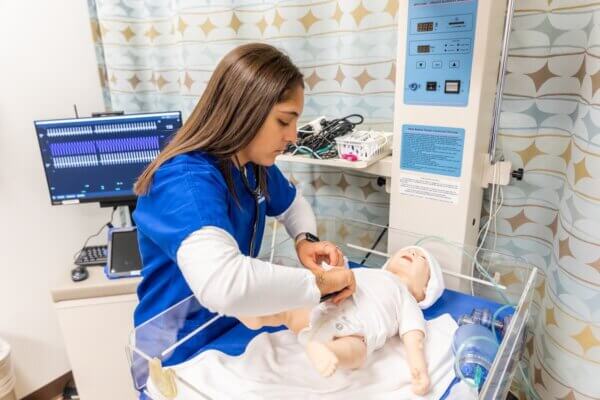
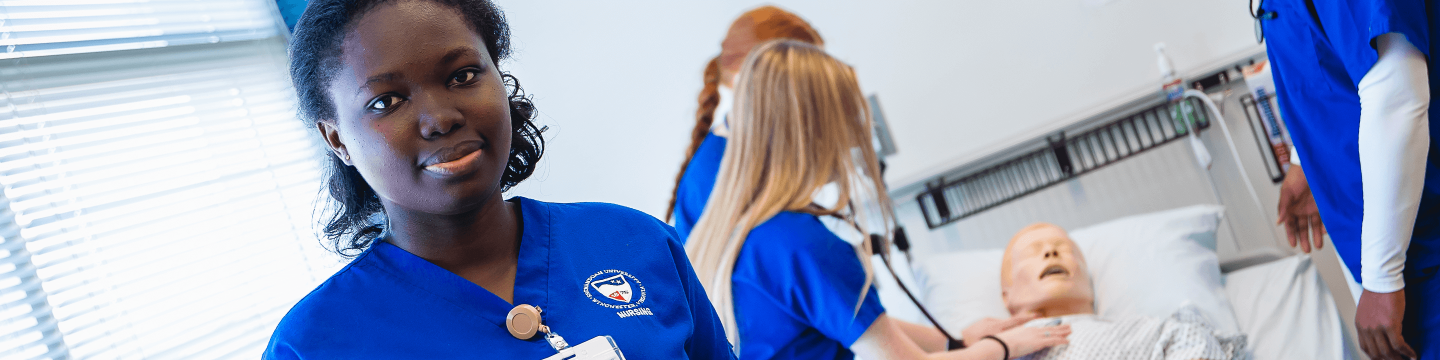
Shenandoah uses high- and low-fidelity simulation equipment in laboratories that enhance student learning. Simulation technology, in the form of human models/manikins, allows faculty members to design specific events or scenarios that simulate actual clinical situations and events. This technology provides an interactive, educational approach to teaching theory, assessment, technology skills, pharmacology and decision-making in a safe environment that allows you to apply and integrate knowledge, skills and critical thinking.
Clinical Experiences
Shenandoah University enjoys collaborative relationships with many regional hospitals and, in addition to our full-time faculty, our clinical preceptors are some of the finest practitioners in the region. Clinical locations can vary and typically include:
Winchester Clinical Locations:
Valley Health System hospitals including Winchester Medical Center, Warren Memorial Hospital, Shenandoah Hospital
WVU East Berkeley Medical Center
Martinsburg Veterans Affairs Medical Center
INOVA Health Systems
Varied community settings including Blue Ridge Hospice, Public Health Departments, Sinclair Free Medical Clinic
Loudoun Clinical Locations:
INOVA Health System hospitals including Loudoun, Fair Oaks, Fairfax, and Alexandria
Reston Hospital Center
Virginia Hospital Center
Children’s National Medical Center
Fauquier Hospital
Novant Hospitals
Interprofessional Experience
The Eleanor Wade Custer School of Nursing fosters interdisciplinary learning and practice through collaboration with our other health care programs, including pharmacy, physician assistant studies, physical and occupational therapy, athletic training, public health and music therapy.
After you’ve completed your studies, you’ll sit for the National Council Licensure Examination (NCLEX), prepared with the skills and knowledge to apply for entry-level professional nurse positions.
Shenandoah’s first-time NCLEX pass rate is consistently above the national average pass rate. Our NCLEX first-time pass-rate are consistently among the highest in the state of Virginia!
Our nursing student’s last semester includes a NCLEX preparation course.
Graduates from our BSN programs are eligible to apply for licensure/registration across the country. Once the NCLEX is successfully completed, graduates are designated as registered nurses.
Nursing is the fastest-growing occupation in the U.S. and the demand is expected to rise. Graduates enjoy high starting salaries and flexible schedules in terms of hours and locations. As a nurse, you’ll have numerous opportunities for specialization and career advancement.
The BSN degree is the entry-level degree for many health care organizations. It prepares you to perform clinical practice in today’s high tech health care environment, using clinical reasoning and critical thinking along with a caring demeanor.
The Eleanor Wade Custer School of Nursing prepares you to deliver, manage and lead nursing care in a variety of health care settings and participate in personal and professional development. You will be ready to do this in many settings across the nation, such as hospitals (acute care), clinics, medical practices, health departments, hospice and the military. You can work in international care, home care, trauma care or school nursing (you may teach in vocational LPN programs) and pursue graduate studies in advanced practice nursing, nursing education and research.
Salary information for nurses with a Bachelor of Science in Nursing can be found at BSN Payscale.com
Career & Professional Development provides a comprehensive range of services and resources to assist Shenandoah students in their career search. Services offered include resume and cover letter building, mock interviews, and professional dining etiquette workshops.
Our nursing program has small classes, and faculty with expertise in a variety of specialties. Our curriculum includes core nursing courses, nursing ethics and genomics, nursing research and evidence based practice and Emergency Preparedness and Disaster Relief courses. Nursing students are also prepared in our campus learning facilities to develop knowledge, skills, clinical judgment and confidence.
Synthesize knowledge from the liberal arts, sciences, and nursing science as a basis for professional nursing practice
Apply evolving information technology to monitor healthcare outcomes
Integrate concepts of illness prevention/wellness, quality, safety, ethics and leadership into professional nursing practice within complex healthcare systems
Demonstrate effective communication and collaboration with patients, families and inter-professional teams
Deliver safe, compassionate, and holistic person-centered nursing care to diverse populations
Advocate for institutional, professional, and governmental policies to influence positive healthcare outcomes of diverse populations
Translate research into evidence-based nursing practice to provide quality care for patients, families, and communities
Examine the influence of social determinants of health on the delivery of equitable care to diverse populations/communities
Course Title
Credit Hours
Year One – Fall 1
General Biology I & Lab (prerequisite to BIO 231, 232, and 260)
4
English Composition
3
Going Global First Year Seminar (FYS) (only offered first semester-fall)
3
Sociology
3
Psychology
3
Year One – Spring 1
Human Anatomy & Physiology I (Lab) (prerequisite to BIO 232)
4
Microbiology (Lab)
4
Navigating Difference – Cultural Understanding
3
Creative Expression
3
Medical Terminology
3
Year Two – Fall II
Human Anatomy & Physiology II (Lab)
4
General Chemistry (Lab)
4
Introduction to Statistics
3
Principles of Public Speaking
3
Year Two – Spring II
Foundations of Professional Nursing Concepts and Practice
3/1
Health Assessment
3/1
Pathophysiology
3
Pharmacology
3
Year Three – Fall III
Psychiatric Mental Health Nursing
3/1
Nursing Care of Adult Health I
3/2
Nutrition Across the Lifespan
3
Advancing Nursing Practice and Clinical Judgment
1/1
Free Elective
3
Year Three – Spring III
Theory, Research & EBP
3
Nursing Care of Childbearing Families
3/1
Nursing Care of Adults II
3/2
Ethics & Genomics in Nursing Practice (fulfills Shen Ed Navigating Difference – Ethical Reasoning)
3
Year Four – Fall IV
Nursing Care of Children & Adolescents
3/1
Nursing Care of Adults III
3/2
Leadership & Management in Professional Nursing Practice
Learning support services are available to all students in every course at Shenandoah. Free peer tutoring with a student who has previously succeeded in the course is available for any course across the university. The Writing Center is available for every stage of the writing process from thesis development to proofreading and bibliography assistance. The Math Enrichment Center is available for math and science assistance. Professors and Academic Advisors across the university also have office hours and open door policies to ensure Shenandoah students succeed academically.
If nursing is truly something you aspire to do with your life, it is a very rewarding and fulfilling curriculum! Figure out your studying style prior to beginning classes so you don’t get behind!
Rebekah Printz ’26
The Honors Program is a multidisciplinary program for students who are curious, creative, self-motivated, and eager to engage in their education and community.
Not only do Honors Program students partake in honors courses that emphasize collaboration, service, and communication, but they will also have the opportunity to develop aspects of the program based on their own interests and goals. By participating in the Honors Program you will acquire the tools, knowledge and experiences necessary to make meaningful contributions to your community – whether it be globally, locally, or specific to your life’s work. You will have access to unique courses, exciting experiences and a community of peers and faculty who never stop asking questions and striving for excellence.
We have a low faculty-student ratio with small classes and clinical groups so you’ll receive personal attention from faculty. The result is a close-knit, collaborative community of nursing students, faculty and clinical preceptors.
There’s a special bond between Shenandoah University students and their professors. You’ll enjoy close relationships with faculty members who will mentor you in and out of the classroom. This remains a hallmark of our nursing education.
Shenandoah’s experienced and practicing faculty take every opportunity to provide you with the academic foundation you’ll need to meet the standards and rising expectations for practice in the nursing profession. They provide an environment where you can be inquisitive, grow and excel.
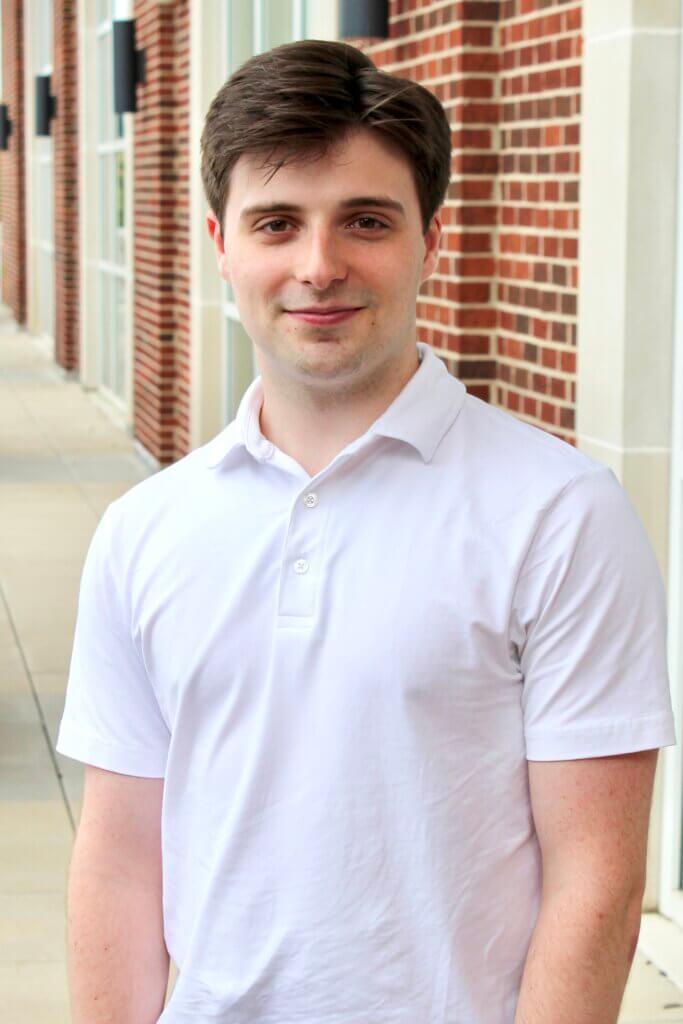
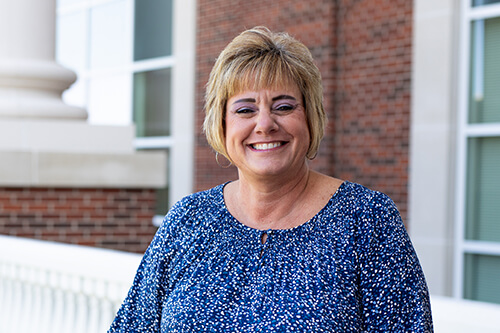
Meet Yvonne Braithwaite, Associate Dean of Undergraduate Programs on main campus
Shenandoah University works on rolling admissions and accepts applications throughout the year. Applications are reviewed individually and holistically.
Submit your application, review required admissions materials, and find our admissions standards.
Eleanor Wade Custer School of Nursing at Shenandoah University offers assured graduate program admission to its BSN or MSN alumni who are interested in earning an MSN, post-master’s specialty certificate, and/or a Doctor of Nursing Practice degree.
Alumni must meet minimum admission requirements to the MSN, post-master’s, and DNP programs, and will be required to submit an application by the application deadline. Alumni are strongly encouraged to apply by the priority deadline of February 15 to secure placement within their desired cohort.
School of Nursing alumni are assured entry into the following graduate programs:
Family Nurse Practitioner (FNP) MSN
Psychiatric Mental Health Nurse Practitioner (PMHNP) MSN
Nurse-Midwifery (NM) MSN
All Post-Master’s Certificates – FNP, PMHNP, NM
Post-Master’s Doctor of Nursing Practice (DNP)
We encourage alumni to learn more about this benefit and our graduate programs. For more information, please contact Associate Dean of Graduate Nursing Programs Robbie McCauley, DNP, at rmccaule87@su.edu.
*Students in our BSN program must graduate and obtain their RN license. They must complete 2080 direct patient care hours prior to starting the specialty courses.
Students in the traditional four year BSN program must complete the Test of Essential Academic Skills (TEAS) before entry into nursing courses in their sophomore year. A maximum of two attempts is permitted to achieve a minimum overall score of 65 percent (may be subject to change) to continue in the nursing program.
Shenandoah University is a member of the International Student Exchange Program (ISEP), a global network of 300 universities. This partnership allows students to study for a full semester or year at other member campuses abroad. By working closely with their academic advisors and the study abroad advisor, students can take classes taught in English abroad while receiving Shenandoah credit.
Shenandoah University also maintains direct partnerships with several universities around the world. These relationships allow students from SU to study abroad as exchange students and students from these universities to study at SU. All partner universities offer courses taught in English.
Make studying abroad the highlight of your college experience! Whether you go for a year, a semester, or just a few weeks, you will never forget learning in another culture! The Center for International Programs is here to help you plan your study abroad experience. Start your planning early to ensure the courses you complete abroad count toward your degree and you graduate on time.
The Global Experiential Learning (GEL) Program offers Shenandoah students a short-term, faculty-led, study-abroad experience for academic credit. These short-term, credit-bearing, faculty-led programs are offered winter break, spring break, and during the summer. If a course is not within your major, it might be used as an elective.

 Meet Yvonne Braithwaite, Associate Dean of Undergraduate Programs on main campus