Make A Real Change In The Lives Of Hundreds, Thousands – Even Millions – Of People.
Shenandoah’s Bachelor of Science in Public Health program prepares you to identify the causes of disease; understand the principles and practices of health promotion and disease/injury prevention and protection; understand national/international public health issues from historical, social, cultural and scientific perspectives; and integrate knowledge and methods into the practice of public health.
As a public health professional, you’ll work with government officials, advocacy groups, policymakers, schools, health care providers, occupational settings, and community groups toward the common goal of promoting health and well-being and preventing disease.
Through the program’s interdisciplinary nature, you can specialize or add a major or minor based on your individual area of interest and career goals.
I love how interdisciplinary Public Health at SU is. It gives you the chance to see how everything from scientific research to healthcare policy connects to drive a lasting impact on communities. A huge highlight for me was teaming up with my classmates to work directly with health department professionals on a community health needs assessment and getting to present our findings at SURE. If you want a major that blends science with the ability to help people, this is the place for you. You get to gain real-world experience through amazing opportunities and work alongside faculty and students who are just as driven as you are.
Allie Clarkson ‘26 | Public Health major | Business Administration minor
Public health was something I did not know about when I came to SU, but after taking one class and loving the course content I knew it was something I wanted to major in!”
Mackenzie “Mac” Watkins ’26 | Biology & Public Health double major
This major is perfect if you want to make a real impact on people’s lives and communities. It is a field that combines science, data, communication, and compassion, offering endless opportunities to grow and adapt. This program not only prepares you for diverse career paths, but also challenges you to think critically about real issues affecting communities today.
I learned the most through the hands-on, real-world opportunities integrated into the classes. My professors have many connections to professionals in public health that elevate our learning. For example, I have participated in community health assessments and focus groups, and analyzed data for organizations in the Winchester area. These experiences helped me apply theory to practice, strengthen my critical thinking skills, and gave me confidence in professional settings.
Emma Johnson ’26 | Public Health major | Professional and Popular Writing minor
Among the most serious problems facing the American public both now and for many years to come is public health. Despite spending more on healthcare than any other nation in the world, we rank near the bottom on the list of similar, developed nations on all major health indicators.
An aging population
Emerging infectious diseases and re-emerging old diseases
Navigating healthcare providers and treatment options
Designer medications
Ever-rising healthcare costs
Increasing rates of diabetes, obesity and cardiovascular disease
Threats of bioterrorism
Delivery of vaccinations and disease prevention to rural and poor population
These factors pose major challenges for healthcare recipients, their families, care providers, and those who pay for services and medications.
Shenandoah University’s College of Arts & Sciences is your direct connection to a classic, broad-based education to satisfy both your intellectual curiosity and career goals. With a 10:1 student-faculty ratio, small classes and individualized learning opportunities, we put students at the center of all our decisions and events.
We blend the liberal arts with pre-professional courses and hands-on learning to prepare you for careers in the natural sciences, the social sciences and the humanities. You’ll learn through small, engaging classes and relationships with faculty mentors; hone your skills to solve problems; and learn to use creativity and critical thinking to make informed decisions.
The Public Health minor is well suited to complement a number of other programs at Shenandoah and is particularly recommended for those interested in the health professions. Increasingly, graduate programs are looking for students with a well-rounded public health perspective on clinical medicine.
Declaring A Minor
Shenandoah students work with their Academic Advisor to declare a minor. Academic Advisors will continue to work with students to ensure that they fulfill all of the requirements to complete the minor.
Incoming students should not indicate their intended minor on their Shenandoah application. Applications are for intended majors only.
While not required, students are highly encouraged to gain field experience in their junior or senior year in the public health program after the majority of course requirements are completed. Most internships are unpaid, though there are some paid opportunities.
Guidelines for 3-credit internship: PH-490
Students must obtain their own internship position with guidance and approval by the Program Director before registering for the course
Acquisition of an in-site mentor/advisor
At least 120 hours of on-site work
Written assignments, final paper and presentation graded by the Instructor
GPA of at least 2.75 to register
Here are some sites where our PH students have interned in the past:
Lord Fairfax Health Department – Environmental Health Division
Lord Fairfax Health Department – Health Education programs
American Red Cross
ABBA Care of Winchester
University of Michigan Future Public Health Scholars Program
Healthy Families of Shenandoah Valley
Research Assistantships with SU Public Health Faculty
VA Hospital in Connecticut – Patient Quality Division
Community Partners and Language Access Program – Valley Health
The Career & Professional Development staff helps Shenandoah students search and apply for internships related to their major and career goals. Internships differentiate you as an applicant in your future job searches, provide hands on experience in your field, allow you to sample different career paths for your major, and help you find a specific position that fits your passion before graduation.
What kinds of jobs can I get with a Public Health degree?
Career locations for public health graduates are varied — including government, nonprofits, consulting, and advocacy organizations. Here are some examples of what Shenandoah graduates who majored in public health are doing with their careers:
Serving as a program assistant with an international health organization
Carrying out health-related assessments at construction sites
Working as a research assistant with a nonprofit organization
Doing consulting work related to disease prevention
Working at a company that does health communication and health marketing
Conducting air quality sampling and surveying
Responding to calls at a West Nile virus hotline
Job titles of Shenandoah graduates who majored in public health include:
community health educator
epidemiologist
biostatistician
emergency preparedness coordinator
public health nurse
health program administrator
hospital administrator
health economist
health communications specialist
nutritionist
workplace health promotion director
international health specialist
diabetes educator
Salary Examples for Public Health Graduates include:
Community Health Educator: $42,614
Epidemiologist: $63,921
Biostatistician: $61,042
Public Health Nurse: $56,064
Career & Professional Development provides a comprehensive range of services and resources to assist Shenandoah students in their career search. Services offered include resume and cover letter building, mock interviews, and professional dining etiquette workshops.
Our program’s small classes and interactive learning environment mean you’ll receive individualized attention from experienced and caring faculty mentors. The flexible, interdisciplinary curriculum is tailored to your interests, and you’ll have plenty of opportunities to gain hands-on experience through internships, medical mission trips and faculty research projects.
Learning support services are available to all students in every course at Shenandoah. Free peer tutoring with a student who has previously succeeded in the course is available for any course across the university. The Writing Center is available for every stage of the writing process from thesis development to proofreading and bibliography assistance. The Math Enrichment Center is available for math and science assistance. Professors and Academic Advisors across the university also have office hours and open door policies to ensure Shenandoah students succeed academically.
The Honors Program is a multidisciplinary Honors Program for students who are curious, creative, self-motivated, and eager to engage in their education and community.
Not only do Honors Program students partake in honors courses that emphasize collaboration, service, and communication, but they will also have the opportunity to develop aspects of the program based on their own interests and goals. By participating in the Honors Program you will acquire the tools, knowledge and experiences necessary to make meaningful contributions to your community – whether it be globally, locally, or specific to your life’s work. You will have access to unique courses, exciting experiences and a community of peers and faculty who never stop asking questions and striving for excellence.
I really love being able to take classes with other Honors students. Interacting with similarly driven and committed students in both the Honors seminars and my other academics has truly been one of the most amazing aspects of the Honors Program at SU.
Annika Rodoff ’25 | Bachelor of Science in Public Health and Bachelor of Arts in Dance
Students interested in this program should also look into these other majors, graduate degrees, minors, and certificates.
All majors within the College of Arts & Sciences require students to complete a minor in the program of their choice at Shenandoah.
I think the biggest thing I’ve learned through my majors is how important it is to connect knowledge to real life. In biology, taking labs has been one of my best experiences because it gave me hands-on learning instead of just sitting in a lecture. Actually doing experiments and applying concepts made everything click more and helped me feel more confident in my skills. In public health and Spanish, I’ve learned how closely healthcare connects to social issues. A class like My Immigration Stories in Spanish really stood out to me because it relates so much to what’s going on in the world right now. It made me think deeper about people’s experiences, barriers they face, and how policies impact real families. Overall, my majors have taught me not just science, but awareness, empathy, and how to apply what I’m learning to real-world situations.
Jailynn Rivera ’27 | Biology, Public Health and Spanish majors | Chemistry minor (pre-pharmacy)
You may want to think about enhancing your degree with these certificates that pair well with this program:
Shenandoah University works on rolling admissions and accepts applications throughout the year. Applications are reviewed individually and holistically.
Submit your application, review required admission materials, and find our admissions standards.
The Pre-Health Program is designed to help guide students develop as competitive applicants to graduate schools that match their desired profession and their academic and pre-professional profile.
Pre-Health Advising at Shenandoah University consists of in-person advising sessions either in a group or individual setting that seek to provide guidance to students interested in pursuing a career in within the health professions.
Pre-Health Students follow one of these tracks at Shenandoah:
Shenandoah University is deeply connected with the graduate schools here, so in your biology courses there is a focus on how to shape a health professional. So, if you are interested in working in the health professions Shenandoah will be a great fit!”
Justus Whittington ’23 | Biology & Public Health
Public Health Fast-Track to MPH Program (3 + 2)
The Public Health Program offers an accelerated (3 + 2) Bachelor’s + Master’s Degree program to eligible undergraduates.
Students in the 3 +2 program are required to complete coursework toward a graduate degree during their last year of undergraduate studies and complete the remaining requirements during their + 1 year. The program is rigorous and demanding, and is designed to offer high-achieving undergraduate students a quick path to a graduate degree. The MPH program seeks students who demonstrate the potential to be successful in graduate school and who are committed to the public health profession.
Make studying abroad the highlight of your college experience! Whether you go for a year, a semester, or just a few weeks. You will never forget learning in another culture! The Office of Global Engagement is here to help you plan your study abroad experience. Start your planning early to ensure the courses you complete abroad count toward your degree and you graduate on time.
The Global Experiential Learning (GEL) Program offers Shenandoah students a short-term, faculty-led, study-abroad experience for academic credit. These short-term, credit-bearing, faculty-led programs are offered winter break, spring break, and during the summer. If a course is not within your major, it might be used as an elective.
Shenandoah University is a member of the International Student Exchange Program (ISEP), a global network of 300 universities. This partnership allows students to study for a full semester or year at other member campuses abroad. By working closely with their academic advisors and the study abroad advisor, students can take classes taught in English abroad while receiving Shenandoah credit.
Shenandoah University also maintains direct partnerships with several universities around the world. These relationships allow students from SU to study abroad as exchange students and students from these universities to study at SU. All partner universities offer courses taught in English.
Shenandoah has the best public health professors to encourage you out of your comfort zone and give you the real-world tools and skills to help you be successful. I have also learned that the faculty here at Shenandoah do not hesitate if you need support or guidance. It is truly the most comfortable place to be in a time where everything can be new and scary.
McKenna Shockey ’27 | Public Health major | Psychology minor
Imagine participating in interesting conversations led by engaging professors who’ve already done what you dream of doing. You’ll be in a small class — the average class size is approximately 12 students — with professors who know your name, care about your success and provide advice as you pursue your academic and career goals.
Meet Audra Gollenberg, Department Chair & Professor of Public Health



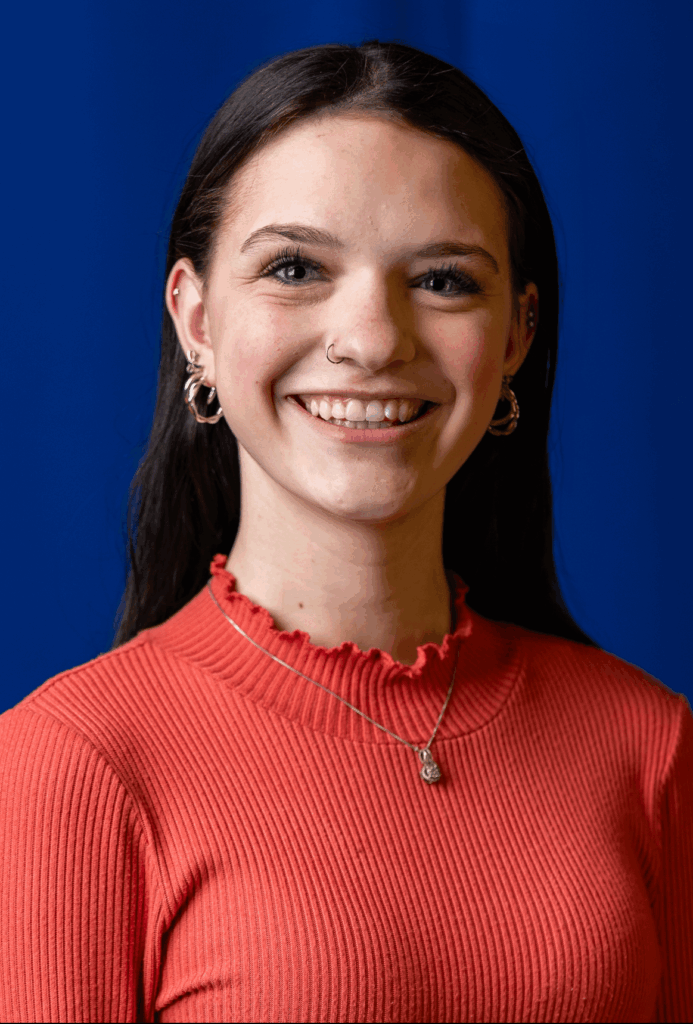
I really love being able to take classes with other Honors students. Interacting with similarly driven and committed students in both the Honors seminars and my other academics has truly been one of the most amazing aspects of the Honors Program at SU.
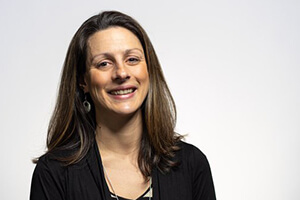 Meet Audra Gollenberg, Department Chair & Professor of Public Health